Essays on rituals, craft, and the everyday objects that shape how we live at home.
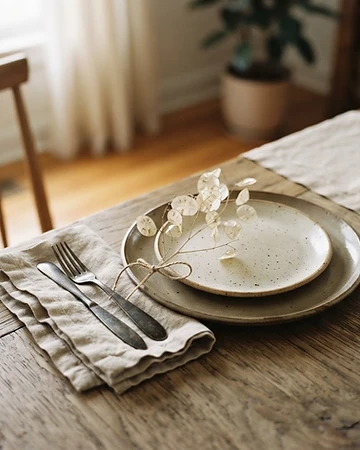
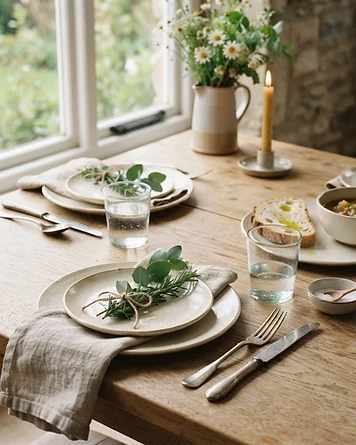
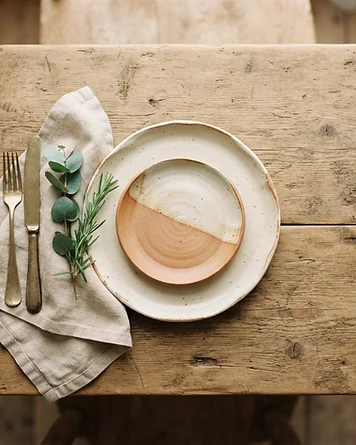
A styled table should look like someone lives here, not like someone is selling you something. Here is how to get there in five moves.
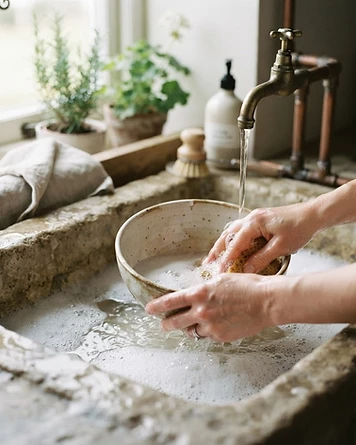
Good ceramics are made to be used, not babied. But a little knowledge keeps them looking good for decades instead of months. Here is what actually matters.
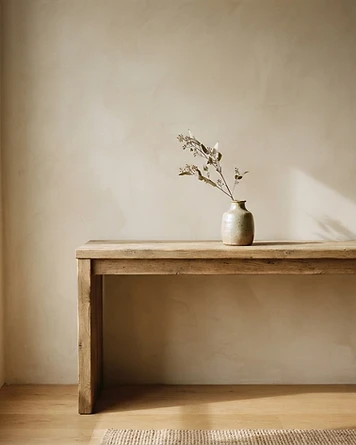
An empty surface is not a failure of decoration. It is a choice — and a surprisingly difficult one to make well.
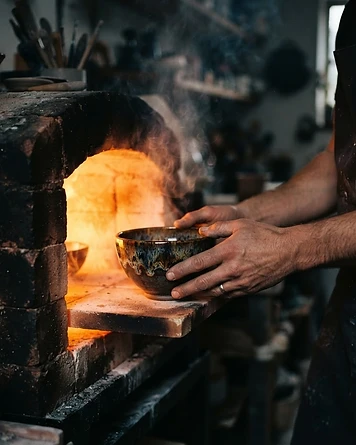
Every ceramic you own was probably fired twice. The second fire is the one that makes it safe to eat from. Here is what happens inside the kiln.
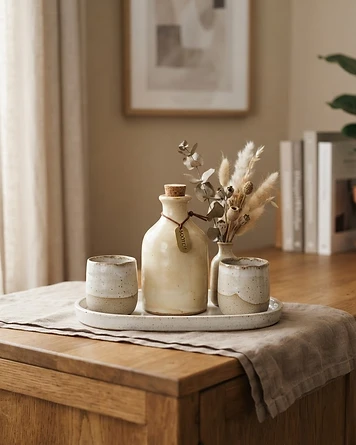
You do not need a bar cart, a dedicated corner, or a collection of forty bottles. You need a tray, three bottles, and one good glass.
Most of what we call a good morning is actually a series of small, unremarkable objects doing their job quietly. The cup. The bowl. The plate. This is an argument for paying attention to them.
Dining alone is not a compromise. It is an opportunity to set a table that is entirely for you — with the good plate, the good cup, and none of the performance.
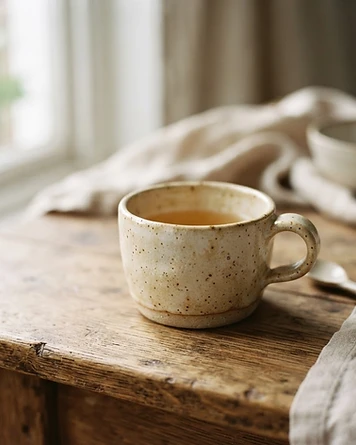
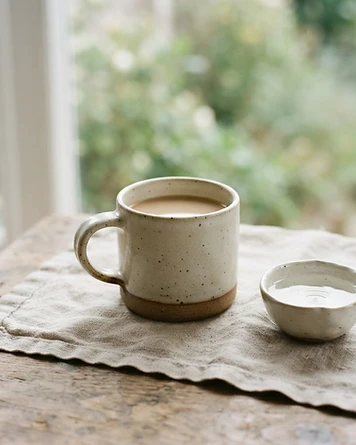
Before the phone, before the kettle, there is the cup. A small case for making the first object of the morning one that was actually made for you.
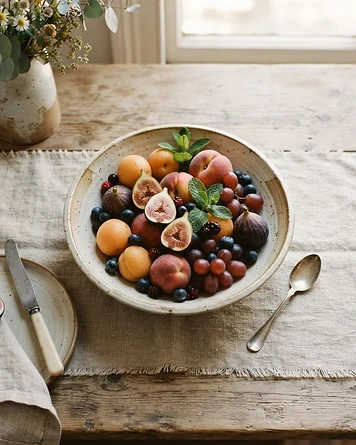
The bowl is the most underestimated object in a home. It holds soup, keys, fruit, and the small evidence of a life being lived. Here is a small argument for the bowl.
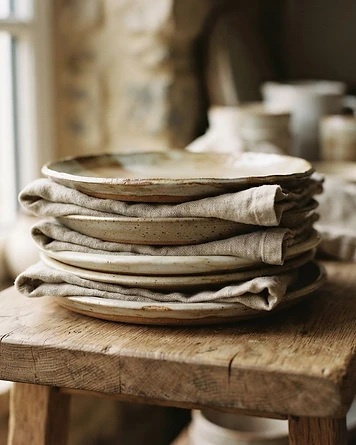
Most ceramic damage happens in the cupboard, not the sink. A short, practical guide to stacking, storing, and keeping your plates for decades.
Weight is the quality you cannot see in a photograph and cannot describe in a spec sheet. But the hand knows it in a second — and it is the difference between a cup you use and a cup you reach for.
A bare table is not an unfinished table. Done well, the absence of a cloth is the strongest styling decision you can make. Here is how to make it work.
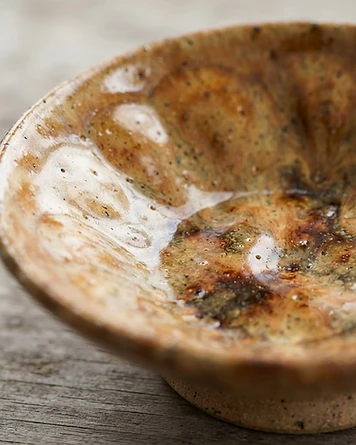
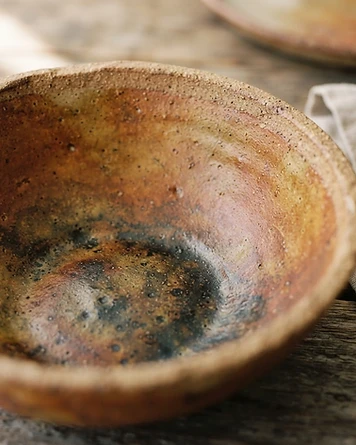
Glaze is not paint. It is a thin layer of glass, melted onto the clay, that makes a bowl safe to eat from and a pleasure to look at. A short guide to the most misunderstood part of a ceramic.
Most homes do not have a room for guests. The good news is that a guest does not need a room — they need a corner that has been considered. Here is how to make one.
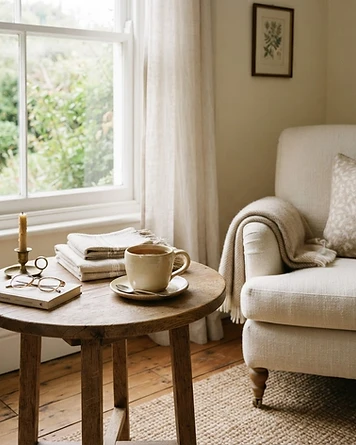
A cup of something warm is the first small ceremony of the day. Not a habit, not a routine — a ritual. Here is why the object you hold matters more than the liquid inside it.
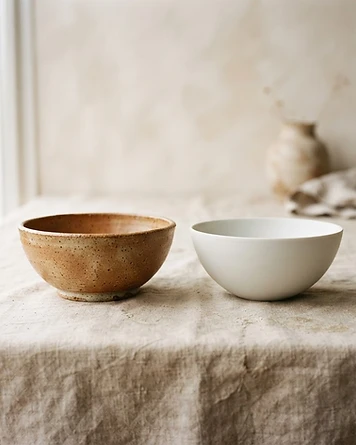
Porcelain is fine, white, and delicate. Stoneware is warm, earthy, and strong. We chose stoneware — and the choice says something about how we think a home should feel.
A dining table is the largest flat surface in most homes, and the one we use the least imaginatively. A short argument for treating the table as a place to compose, not just a place to eat.
The finish of a glaze is not a detail — it is the whole personality of the ceramic. A short guide to what glossy, matte, and textured glazes do, and how to choose between them.
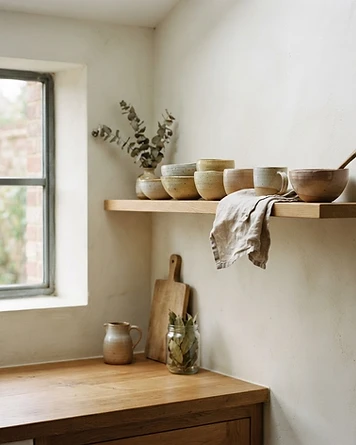
A kitchen is not a production line. It is a room. Treating it like a room — with objects you chose, surfaces you respect, and time you allow — changes what comes out of it.
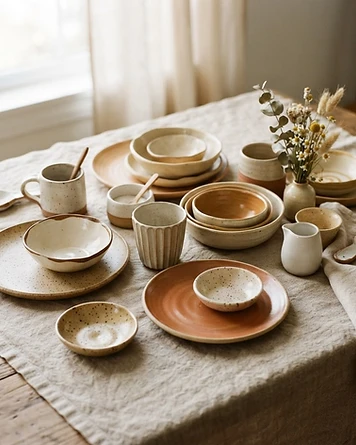
A matched set is the easiest thing to sell and the hardest thing to live with. A small argument for collecting, not matching — and for a table that grows over time instead of arriving all at once.